A winning livestream shopping strategy is no longer a nice-to-have experiment reserved for major sale events — it is the infrastructure that separates scaling e-commerce brands from those watching their competitors claim the checkout moment in real time. This guide breaks down every component of a profitable, always-on live commerce program: platform selection, host models, content cadence, attribution, AI-powered tools, and the operational playbooks brands are using right now in 2026 to turn live video into a dependable revenue channel.
What Is a Livestream Shopping Strategy — and Why It Matters in 2026
Livestream shopping is the practice of selling products through real-time video broadcasts on social, owned, or marketplace platforms, where viewers can discover, ask questions about, and purchase items without ever leaving the stream. A livestream shopping strategy is the deliberate operational plan governing how, where, how often, and with whom a brand broadcasts — and how it converts viewers into buyers at scale.
The channel has moved well beyond early-adopter territory. Industry observers estimate that live commerce already accounts for a meaningful double-digit percentage of e-commerce GMV across markets where the format is mature, and Western brands are accelerating adoption rapidly after watching the format dominate retail in East and Southeast Asia. What makes 2026 different from prior years is the convergence of three forces: platform maturity (TikTok Shop, YouTube Shopping, and Instagram have all stabilised their native checkout experiences), AI-assisted production that dramatically reduces the cost and complexity of running daily shows, and consumer conditioning — shoppers have learned to expect live deals, Q&A, and social proof bundled together at the moment of purchase intent.
"Brands that treat live commerce as an always-on channel rather than a campaign tactic consistently report higher repeat-purchase rates and lower return rates — viewers who buy during a live session have already received the equivalent of an in-store demonstration."
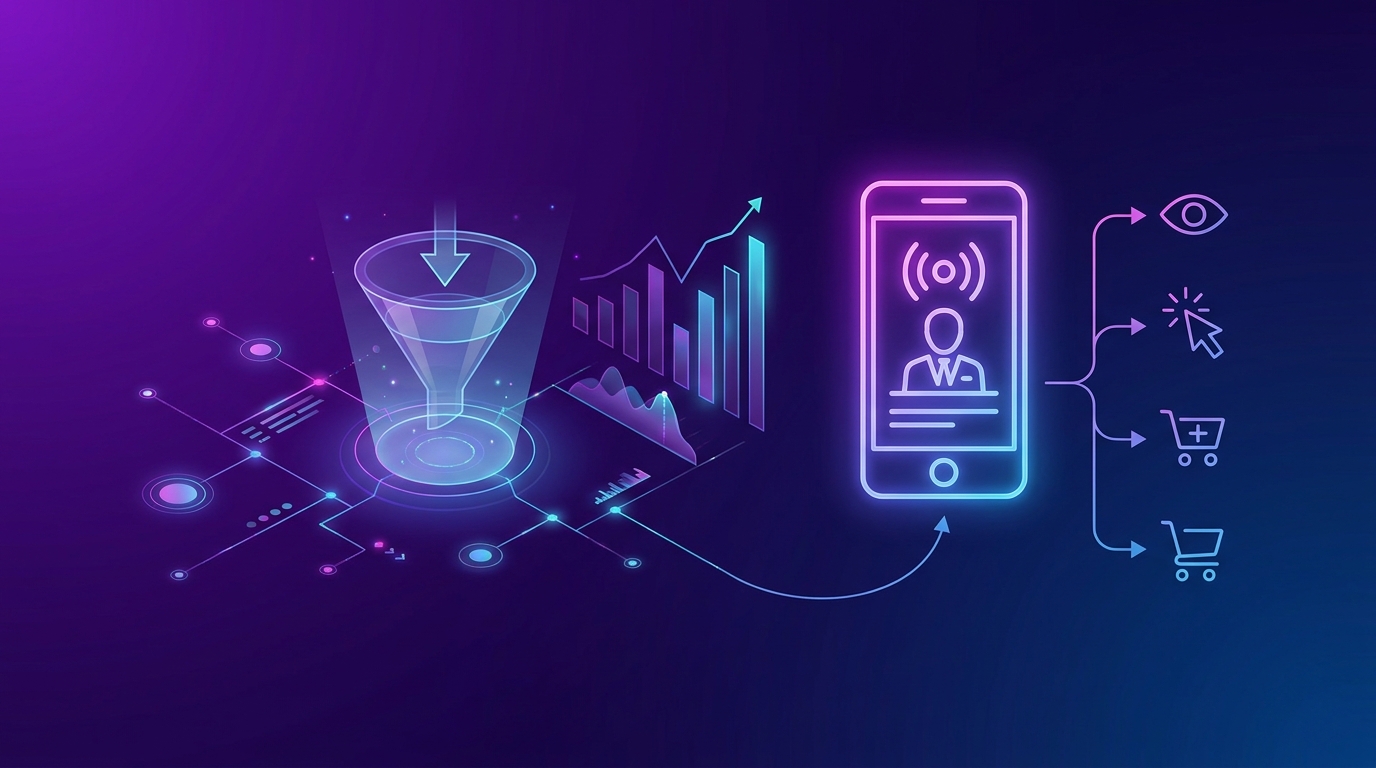
The strategic imperative is clear: livestream shopping compresses the awareness-to-conversion funnel into a single session, reduces return rates because buyers make more informed decisions, and generates a library of replayable content that continues driving revenue long after the broadcast ends. For brands that get the strategy right, live commerce becomes one of the highest-ROAS channels in the entire marketing mix.
Core Components of a High-Converting Live Commerce Program
Successful live commerce programs share a consistent architecture regardless of brand size or vertical. Understanding these components before you invest in production equipment or talent avoids the costly trial-and-error that derails most early programs.
1. Host Model
Your host is the single biggest variable in live shopping conversion. There are three proven models: brand employees (authentic, cost-effective, builds long-term community), influencer or creator partners (brings existing audience trust and reach), and AI-generated or avatar hosts (emerging option for always-on, low-cost broadcasting). Many sophisticated brands now operate a blended model — a creator-hosted flagship show weekly, supplemented by employee-hosted daily topical streams and AI hosts for off-hours catalog browsing sessions.
2. Content Cadence
One-off streams produce one-off results. Industry data consistently shows that brands hitting a regular weekly minimum — three to five shows per week — see compounding audience growth as platform algorithms reward consistency and viewers begin scheduling their own attendance. Building toward an always-on live shopping program means treating your broadcast schedule the way a TV network treats its programming grid: predictable slots that audiences can plan around.
3. Product Selection and Merchandising Logic
Not every SKU performs in a live format. High-performing live products share common traits: they benefit from demonstration, have an interesting origin or formulation story, and carry enough margin to support a live-exclusive offer. A sound merchandising strategy rotates hero products, introduces newness regularly, and uses scarcity mechanics (limited quantities, bundle-only deals) to drive urgency.
4. Engagement and Community Mechanics
Passive broadcasting is dead. The brands winning in live commerce are engineering participation: live polls, comment-triggered discounts, pinned questions answered on-camera, and shoutouts to repeat buyers. These mechanics increase session duration, which directly correlates with higher average order values and platform algorithmic distribution.
5. Replay Monetisation
The live session is the event; the replay is the long tail. A well-structured replay strategy — with timestamped product links, SEO-optimised titles, and syndication across YouTube and owned channels — can generate 40–60% of a stream's total revenue after the broadcast ends, according to practitioner reports across multiple verticals.
| Dimension | Traditional Live Shopping Approach | Modern Always-On Approach (2026) |
|---|---|---|
| Broadcast Frequency | Episodic — major sale events only | Daily or near-daily scheduled programming |
| Host Model | Single influencer or celebrity | Blended: creator + employee + AI avatar |
| Platform Strategy | One platform at a time | Multi-stream simulcast with platform-native optimisation |
| Attribution | Last-click only; live revenue isolated | Full-funnel: live + replay + assisted conversion tracking |
| Content Repurposing | Minimal; VOD archive only | Automated clip extraction, short-form syndication, shoppable VOD |
| Production Cost | High fixed cost per event | Scaled down via AI tools, reducing cost per broadcast significantly |
| Audience Building | Relies on one-time promotion | Algorithm-compounding through consistent cadence and community |
| Merchandising | Broad catalog dumps | Curated, story-driven product arcs with scarcity mechanics |
Platform Selection: Choosing the Right Live Shopping Environment
Platform choice is one of the highest-leverage decisions in your livestream shopping strategy. Each major platform has a distinct audience composition, commerce infrastructure maturity, and algorithmic distribution logic — and the wrong match between your brand and your platform wastes both budget and momentum.
TikTok Shop
TikTok remains the highest-velocity discovery engine for live commerce in 2026. Its algorithm surfaces live streams to non-followers based on engagement signals, meaning a well-optimised session can reach cold audiences at scale. Native checkout, affiliate creator tools, and the LIVE Gifting ecosystem make it the most complete end-to-end commerce platform for brands targeting Gen Z and Millennial shoppers. Building a dedicated TikTok Live shopping strategy is now a distinct discipline given the platform's depth of tools.
Instagram Live Shopping
Instagram's strength is community depth. Brands with established Instagram followings find that Live Shopping converts well among existing fans, and the integration with Shops and product tagging is seamless. It is less effective at cold-audience discovery compared to TikTok, making it best positioned as a loyalty and repeat-purchase vehicle rather than a primary acquisition channel.
YouTube Shopping
YouTube's live commerce proposition has matured significantly. Its longest average session durations among all platforms make it ideal for considered purchases — beauty, tech, home, and outdoor categories all perform strongly. The platform's search infrastructure means livestream replays accumulate organic traffic over time in ways TikTok and Instagram cannot match.
Owned and White-Label Platforms
Brands with substantial existing traffic are increasingly investing in on-site live shopping through white-label tools like Livescale, Bambuser, or CommentSold. These solutions sacrifice algorithmic discovery but offer superior data ownership, margin protection (no platform commission), and a branded experience. They work best as a complement to social platform broadcasting, not a replacement.
"The brands generating the most live commerce revenue in 2026 are not asking 'which platform should we use?' — they are asking 'how do we simulcast effectively and attribute accurately across all of them?'"
For a detailed scoring of each platform across commerce infrastructure, audience size, algorithmic reach, and fee structure, see our dedicated livestream ecommerce platform comparison.
How to Implement an Always-On Livestream Shopping Program
Implementation is where most brands stall. The gap between understanding live commerce strategy and executing it at a cadence that produces compounding returns comes down to operational structure. Here is the phase-by-phase playbook used by brands that have successfully moved from pilot to always-on.
Phase 1: Pilot (Weeks 1–6)
Launch two streams per week with a single host, a curated set of five to eight SKUs, and one platform. The goal is not revenue — it is learning. Track concurrent viewers, peak drop-off moments, comment velocity, and conversion rate per product featured. Use this data to refine your host's delivery style, your product sequencing, and your offer mechanics before scaling.
Phase 2: Systematise (Weeks 7–16)
Document every repeatable element into a production playbook: pre-stream checklist, run-of-show template, post-stream clip extraction workflow, and replay publication checklist. Hire or designate a live commerce producer whose sole job is keeping the machine running. Add a second platform and test simulcasting. Introduce a second host — either an employee with strong product knowledge or a creator partner — to test format variety.
Phase 3: Scale (Month 5 Onward)
At this stage, you should be broadcasting a minimum of four times per week, with at least one creator-led show per week driving new-audience acquisition. Introduce AI tools for real-time analytics and automated clip creation. Begin rigorous livestream commerce attribution modelling to understand true ROAS across live, replay, and downstream conversion. Expand your SKU rotation and introduce live-exclusive product drops to reward your regular audience.
Southeast Asia Playbook Insights
Brands entering or scaling in Southeast Asian markets — particularly Indonesia, Thailand, and Vietnam — operate in the most mature live commerce ecosystems globally. Key tactical differences: session lengths average 60–120 minutes rather than the 20–30 minutes common in Western markets; interactive games and flash deals every 15–20 minutes are table stakes; and co-hosted formats with two on-screen personalities significantly outperform solo hosts. Western brands expanding into SEA should localise not just language but the entire pace and entertainment density of their streams.
Attribution and Performance Measurement
Live commerce attribution is genuinely complex. A viewer may watch 10 minutes of a stream, leave without buying, see a clip on their For You Page two days later, and convert via a retargeting ad a week after that. Treating only the in-stream click as the sale misattributes the channel's value and leads to systematic underinvestment. Proper measurement requires view-through attribution windows, replay revenue tagging, and assisted-conversion reporting — all covered in depth in our livestream commerce attribution guide.
Tools, Technology, and AI Powering Modern Live Commerce
The technology stack supporting a professional live commerce operation has evolved dramatically. What once required a broadcast production team and five-figure equipment budgets can now be run by a lean team of two or three using cloud-based tools, AI assistants, and platform-native features.
Production and Streaming Tools
Multi-stream broadcasting tools like Restream, StreamYard, and Castr allow simultaneous broadcasting to TikTok, Instagram, YouTube, and owned platforms from a single interface. Scene switching, guest video integration, on-screen product cards, and comment aggregation across platforms are now standard features at accessible price points. For brands wanting studio-quality output without a studio budget, these tools are foundational.
AI-Powered Host and Script Assistance
AI scripting tools now generate tailored run-of-show documents, talking points per product, and objection-handling frameworks in minutes based on product data inputs. More advanced applications include real-time comment analysis that surfaces the most-asked viewer questions to the host via an earpiece or teleprompter feed, ensuring no conversion opportunity is missed during high-velocity chat moments.
AI Avatar and Virtual Host Platforms
Platforms like HeyGen and Synthesia have enabled a new category: AI avatar hosts that can run 24/7 shoppable streams in multiple languages simultaneously. While they do not yet match the conversion rates of authentic human hosts for high-consideration purchases, they are proving effective for catalog-browsing streams, off-peak-hour coverage, and markets where finding trained live hosts is a bottleneck. Expect rapid capability improvement through 2026 and 2027.
Real-Time Analytics and Optimisation
Purpose-built live commerce analytics platforms — including tools from Livescale, Brandlive, and emerging AI-native players — provide concurrent viewer tracking, per-product conversion heatmaps, chat sentiment analysis, and drop-off timing data. Hosts and producers using these dashboards in real time can pivot product order, adjust offer depth, or introduce an engagement mechanic the moment they see viewer count declining.
Automated Content Repurposing
Perhaps the highest-ROI technology investment for a live commerce team is automated clip extraction. Tools using AI to identify high-engagement moments in a stream, extract 15–60 second clips, add captions, and queue them for short-form publishing across TikTok, Reels, and Shorts can turn a single 90-minute broadcast into 10–20 pieces of distributed content — each functioning as a shoppable ad driving traffic back to the replay or product page.
"Many brands running daily live shows report that their short-form clip library — generated automatically from live content — now outperforms their traditional paid social creative in click-through rate, at a fraction of the production cost."
Common Mistakes, Future Outlook, and What to Build Next
Even well-resourced brands make avoidable errors when building their live commerce programs. Understanding the most common failure modes accelerates time-to-profitability significantly.
Mistake 1: Treating Live Commerce as a Campaign, Not a Channel
Brands that launch a live stream for a major sale, see modest results, and then go dark for two months will never build the algorithmic momentum or audience habit required for the channel to deliver returns. Live commerce rewards consistency above almost every other variable. Commit to a minimum cadence and hold it even during low-traffic periods.
Mistake 2: Optimising for Peak Concurrent Viewers Instead of Revenue Per Viewer
Chasing large live audiences often leads brands to partner with mega-influencers whose audiences have low purchase intent for the brand's category. A stream with 400 highly-targeted viewers converting at 8% will outperform a stream with 10,000 broadly-targeted viewers converting at 0.3%. Optimise your host selection and product choices for audience-offer fit, not raw viewership.
Mistake 3: Ignoring the Replay
Brands that fail to tag, optimise, and actively promote their replay recordings are leaving a significant portion of their live commerce revenue on the table. Every replay is a piece of evergreen shoppable content. Treat it as such with proper SEO titling, timestamped product navigation, and paid amplification of high-converting moments.
Mistake 4: Under-Investing in Attribution
Without proper multi-touch attribution, live commerce looks less profitable than it is, leading finance and marketing leadership to reduce investment. Establishing proper livestream commerce attribution frameworks early is not a data-science luxury — it is a commercial necessity that protects the channel's budget allocation.
Mistake 5: Neglecting Host Development
Live commerce hosting is a skill that takes time to develop. Brands that rotate hosts constantly or fail to invest in coaching and feedback loops see performance plateau. The brands with the strongest programs have invested in host training programs, peer review of broadcast recordings, and structured feedback from analytics — treating their hosts like athletes who need regular coaching to improve.
Future Outlook: What Shapes Live Commerce Through 2027
Several converging trends will define the next 18 months of live commerce evolution. Augmented reality try-on integrated directly into live streams is moving from novelty to expectation in fashion and beauty categories. Personalised live feeds — where different viewer segments see different product highlights based on their purchase history — are becoming technically feasible at scale. Social commerce platforms are investing heavily in creator monetisation tools that make professional hosting a viable career path, which will dramatically expand the talent pool available to brands.
Interoperability between platforms — the ability for a purchase made during a TikTok stream to be seamlessly fulfilled through a brand's Shopify store with all loyalty points intact — is improving, removing one of the last significant friction points in the cross-platform live commerce experience. Brands that build their operational infrastructure now, during this window of rapid platform maturation, will have a compounding advantage over those that wait for the channel to "fully mature" before investing.
The most important strategic move any brand can make in 2026 is to stop asking whether live commerce works and start asking how to build the operational foundation that makes it work consistently. That begins with committing to an always-on live shopping program, choosing platforms that match your audience, and investing in the attribution infrastructure that makes ROI visible to every stakeholder who controls budget decisions.
Frequently Asked Questions
What is a livestream shopping strategy and how is it different from regular live video?
A livestream shopping strategy is a structured, repeatable operational plan for selling products through real-time video — encompassing platform selection, host model, content cadence, offer mechanics, and attribution measurement. Regular live video focuses on content or entertainment; a live shopping strategy specifically engineers the viewer journey from discovery to checkout within the broadcast. The distinction matters because without intentional commerce architecture, even high-viewership streams convert poorly.
Which platform is best for livestream shopping in 2026?
TikTok Shop currently offers the strongest combination of algorithmic cold-audience reach and native checkout infrastructure, making it the default starting point for most brands targeting audiences under 40. YouTube Live Shopping excels for longer-consideration categories where session depth matters. Instagram Live Shopping works best as a loyalty channel for brands with strong existing followings. The optimal answer for most brands is a multi-platform simulcast strategy rather than a single-platform bet.
How often should a brand go live to see real results from live commerce?
Industry practitioners broadly agree that fewer than two streams per week is insufficient to build algorithmic momentum or audience habit. Three to five shows per week is the baseline for brands beginning to see compounding audience growth. Brands operating at daily or near-daily cadence — often using a mix of creator-hosted flagship shows and lower-production employee or AI-hosted sessions — consistently report the strongest long-term revenue curves from the channel.
How do you measure ROI from livestream shopping?
Accurate ROI measurement requires tracking revenue across three windows: direct in-stream purchases during the live broadcast, replay purchases from the VOD after broadcast, and downstream conversions where the live session was an earlier touchpoint in a multi-session purchase journey. Relying solely on in-stream last-click attribution consistently undervalues the channel by a significant margin. Purpose-built live commerce analytics platforms and view-through attribution windows in your ad accounts are essential tools for accurate ROAS calculation.
Can small brands or small budgets run a successful live commerce program?
Yes — in fact, live commerce has a lower barrier to entry than most paid media channels because platform algorithms reward engagement and authenticity over production budget. A smartphone, a ring light, a knowledgeable and personable host, and a consistent schedule are the genuine minimum requirements for a viable program. Many smaller brands find that their founders or product experts outperform professional hosts because viewers respond strongly to authentic expertise and genuine passion for the product.
What products sell best in livestream shopping?
Products that benefit from demonstration, have a story worth telling on camera, and carry either visual appeal or tactile interest consistently outperform in live formats. Beauty, skincare, fashion, food and beverage, home décor, and consumer electronics are the strongest-performing categories globally. Products with complex specifications or purely commodity positioning — where price comparison is the only decision factor — tend to underperform. Live commerce favours products where the host's demonstration or endorsement meaningfully reduces purchase uncertainty.
How do AI tools help with livestream shopping in 2026?
AI tools are impacting live commerce at multiple points in the workflow: pre-stream scripting and run-of-show generation based on product data, real-time comment analysis that surfaces viewer questions to the host during broadcast, automated clip extraction for short-form content repurposing post-stream, and AI avatar hosts enabling always-on catalog browsing streams without human host costs. The most impactful near-term application for most brands is automated content repurposing, which converts a single broadcast into a library of distributed shoppable clips at minimal incremental cost.
What is the difference between a live shopping event and an always-on live commerce program?
A live shopping event is a one-off or occasional broadcast, typically tied to a sale period, product launch, or promotional moment — effective for spikes but unable to build the audience habit and algorithmic compounding that drives sustained revenue. An always-on live commerce program is a scheduled, recurring broadcast infrastructure that operates independently of promotional calendar events, building a loyal viewer community that returns week after week. Always-on programs consistently outperform event-only approaches on a 12-month revenue-per-investment basis, primarily because the audience and algorithm relationships compound over time rather than resetting with each broadcast.